
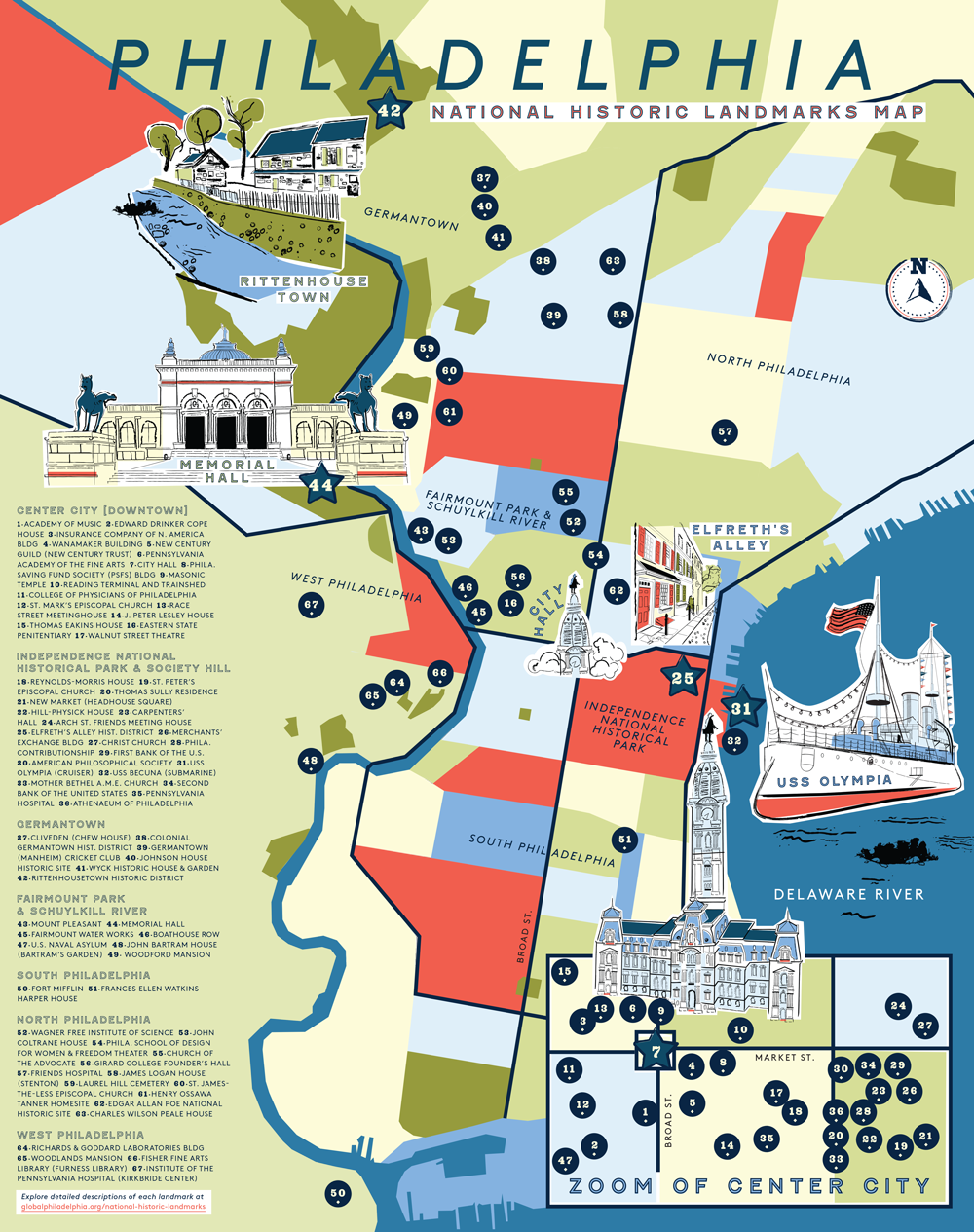
We're thrilled to unveil our newly redesigned National Historic Landmarks Map — created in 2026 during Philadelphia's Semiquincentennial, in time to welcome the thousands of visitors arriving in the city for America's 250th anniversary celebrations.
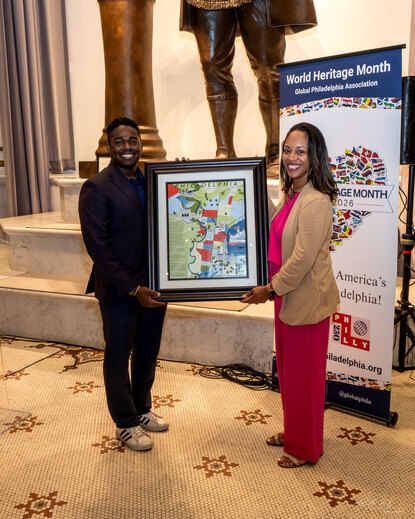
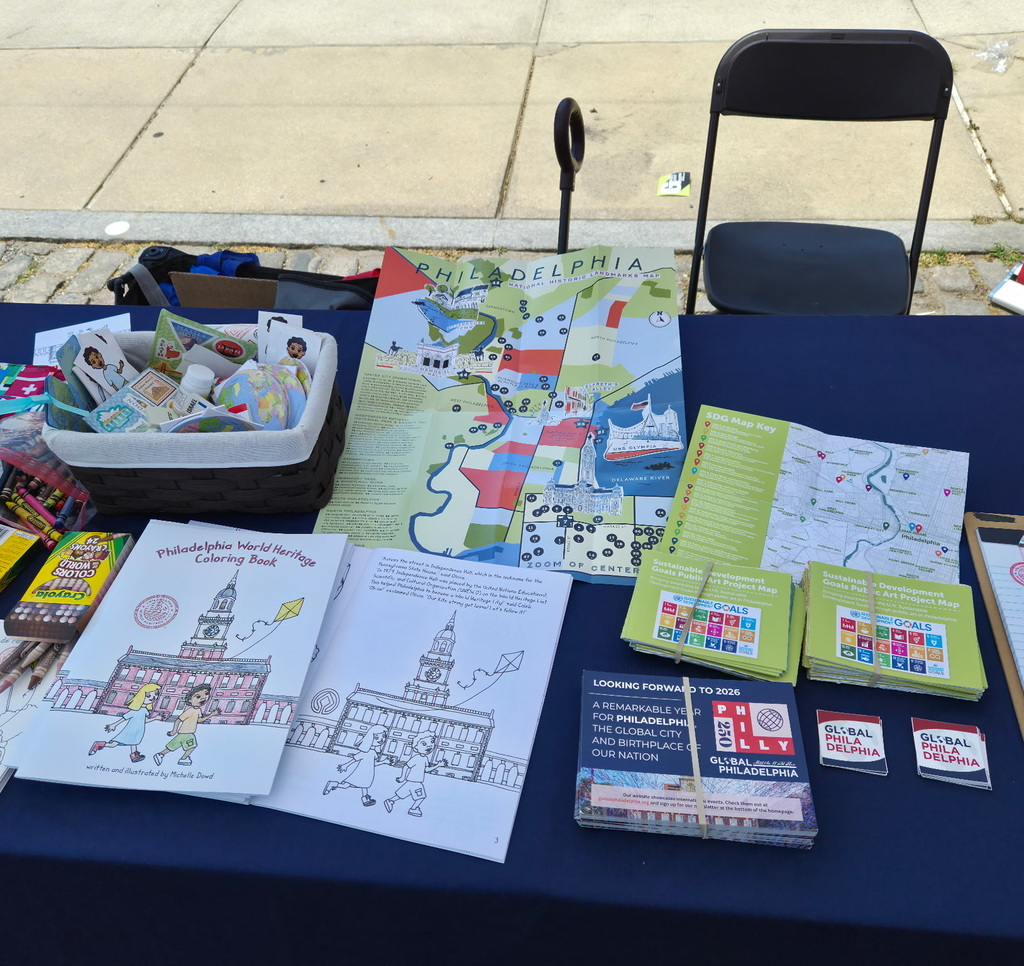
Designated by the National Park Service, each NHL represents a key piece of American history. Whether in architecture, art, social activism, commerce, science, or innovation, these sites are rich with educational value and provide meaningful ways to explore complex topics such as civil rights, industrialization, and cultural identity.
Get a physical copy of the map and display this resource in your classroom. Introduce your students to the people, places, and movements that shaped both Philadelphia and the nation. These landmarks aren’t just historical—they’re dynamic teaching tools waiting to be explored.
Redesigned since our original 2019 launch, the new map is bolder, more interactive, and more informative than ever, with direct links to our online NHL Index so you can explore the full story behind each of Philadelphia's 67 National Historic Landmarks.
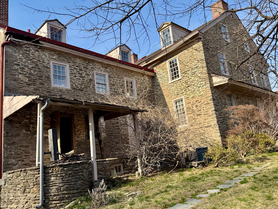
John Johnson (1709-1794), son of a Dutch Quaker immigrant, built this house as a wedding present for his son John Johnson, Jr. (1748-1810), in 1765-1768.
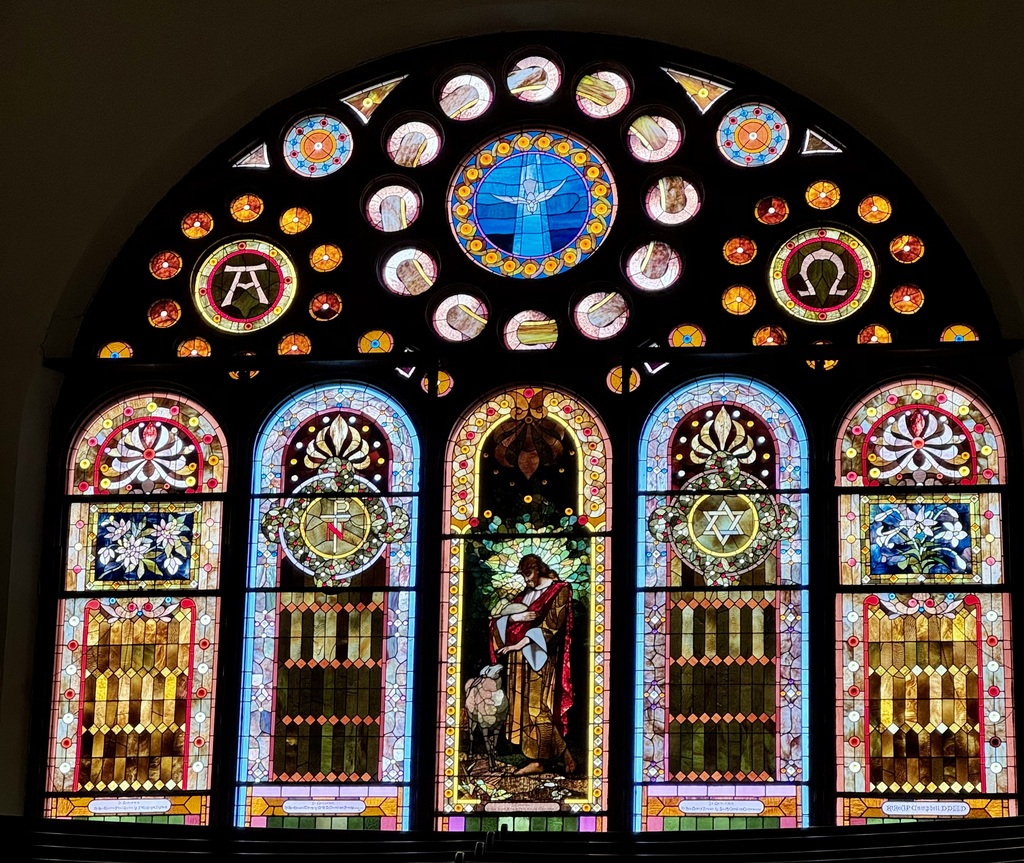
This muscular Romanesque style church, erected in 1889-1890, is the fourth building on this site constructed for the African American congregation that was established in 1794.
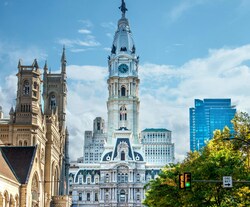
Photo Credit: Leo Serrat
Philadelphia’s first city hall stood at Second Street, attached to the market stalls that ran down the middle of Market Street, and its second occupied an annex to Independence Hall erected in 1790.